
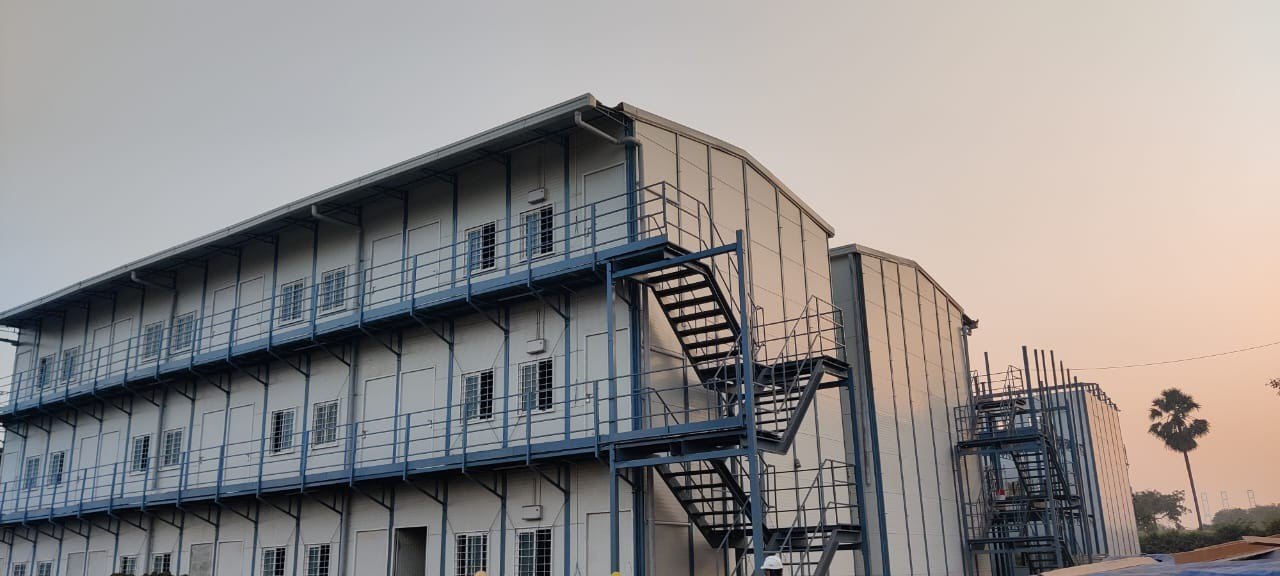
Why Centralised Labour Quarters Are More Important Than Ever
Foreign workers are still very important to Malaysia's key industries, like construction, manufacturing, logistics, plantations, and services. As the demand for workers grows, employers' duties go beyond just paying them and signing contracts. They also have to make sure that workers are living in safe, humane, and legal conditions.
Over the years, putting workers in unsafe or unhealthy places has caused big problems, like risks to public health, accidents, and damage to businesses' reputations. The Malaysian government took strong action to solve these problems by creating Centralised Labour Quarters (CLQ), a structured and regulated way for workers to live.
CLQ is no longer a suggestion today. It is a legal requirement, a social duty, and a business need. Employers who don't follow the rules put themselves at a lot of risk, but those who do use compliant CLQ solutions get stability, credibility, and long-term success.
This article tells you what CLQ stands for, why it exists, who has to follow it, and how WorkConnect can help employers meet regulatory requirements with confidence by providing professional CLQ solutions.
1. What is a Centralised Labour Quarter (CLQ)?
Centralised Labour Quarters, or CLQ for short, are officially approved and regulated places to live in Malaysia for foreign workers. The government has strict rules for how these facilities should be run to make sure that workers have a safe, clean, and comfortable place to live.
CLQs are purpose-built or officially approved to house workers in a controlled and compliant environment, unlike informal or scattered housing arrangements like rented shop lots or overcrowded residential units. They are managed, watched over, and checked by the right authorities from a central location.
The goal of CLQ is to:
Provide consistent
Provide safe
A place for workers to live that is respectful, while making sure that employers follow Malaysian labour laws.
2. Why was CLQ brought to Malaysia?
There were a number of reasons for the introduction of CLQ, including public health issues, worker welfare issues, and employer accountability.
In the past, many foreign workers lived in poorly maintained places that didn't have proper sanitation, ventilation, or safety measures. These conditions were bad for the health of both workers and people living nearby. Outbreaks of disease, fire hazards, and too many people living in one place became common problems.
At the same time, Malaysia was under more and more scrutiny from international stakeholders, such as multinational companies, export partners, and ESG auditors. Worker welfare became a key part of supply chain compliance, which made companies raise the bar for working conditions.
CLQ was put in place as a long-term answer to these problems by making a regulated housing system that protects workers, public health, and makes sure that employers are responsible for the quality of the housing they provide.
3. Who Is Required to Comply with CLQ Regulations?
The CLQ rules apply to any Malaysian employer who provides housing for foreign workers. This is true for many industries, such as construction, manufacturing, agriculture, logistics, cleaning services, security, and food processing.
Compliance isn't just for big companies. If small and medium-sized businesses hire workers, they are just as responsible. Employers are still responsible for meeting legal standards, even if they provide housing directly, rent it out, or hire third parties to manage it. Companies that hire foreign workers and provide group housing must follow CLQ rules.
4. Act 446: The Law That Makes CLQ Possible
Act 446, also known as the Workers' Minimum Standards of Housing and Amenities Act, is the main law in Malaysia that governs housing for workers. This law tells employers what the minimum requirements are for housing workers.
Act 446 covers important things like how to divide up space, sanitation, utilities, safety features, cleanliness, and the general quality of life. It also says that employers must register where their workers live and let the right authorities check them out.
If you don't follow Act 446, you could face serious consequences like fines, legal action, business disruption, and damage to your reputation. As enforcement gets tougher, following the rules is no longer up for debate.
5. What Does a CLQ Facility Offer?
A compliant CLQ facility is built to meet both the law and the needs of people living there. Workers are given the right sleeping areas that have enough room, air flow, and comfort. To keep the number of people using the bathrooms and showers at a safe level, they are kept at the right levels.
In addition to basic needs, CLQs often have common areas like dining rooms, laundry rooms, and recreation rooms to help workers with their daily lives. Emergency exits, fire prevention systems, lighting, and controlled access are all important parts of CLQ design.
These facilities make sure that employers follow the rules while also creating a healthy, safe, and dignified environment.
6. Common Problems Employers Have with CLQ Compliance
Many employers have trouble putting CLQ into practice even though they know how important it is. One of the biggest problems is not being clear about what the rules say. Employers don't always know how to get things approved, what the inspection standards are, or what paperwork they need to fill out.
Another worry is the cost. Building or running a compliant CLQ takes a lot of money for infrastructure, maintenance, and operations. Location issues make things even harder, especially in cities or industrial areas where land is hard to find and expensive to rent.
The amount of work that needs to be done is also a big problem. Taking care of inspections, renewals, occupancy records, and maintenance can take time away from running your business.
Because of these problems, many employers are looking for professional CLQ providers instead of managing housing themselves.
7. Why Centralised CLQ Providers Are the Best Choice
Employers can choose to use professional CLQ providers instead of managing their own housing. Employers can make sure they are following the rules and make things easier for themselves by outsourcing worker housing to a specialised provider.
Centralised CLQ solutions come with set costs, professional management, and peace of mind when it comes to following the rules. Facilities that are designed, built, and kept up by professionals who know the requirements of Act 446 and how to inspect them are good for businesses.
This way, businesses can focus on growth and productivity while letting professionals handle the management of accommodations.
8. WorkConnect: A Reliable CLQ Partner in Malaysia
WorkConnect is a dedicated Centralised Labour Quarter provider in Malaysia that provides employers in a range of industries with compliant and professionally managed housing options.
WorkConnect helps businesses follow the law under Act 446 by giving workers safe, clean, and well-managed places to live. Employers who work with WorkConnect can rest easy knowing that the housing for their workers meets all the rules.
You can learn more about WorkConnect's CLQ services at Work Connect.
9. How WorkConnect Helps Employers
WorkConnect has fully compliant CLQ facilities that are strategically placed close to construction sites, industrial areas, and places where workers gather. This makes transportation easier and makes workers more productive.
WorkConnect takes care of more than just physical accommodations. It also handles daily tasks like cleaning, maintenance, security, and managing occupancy. Employers don't have to worry about housing inspections, complaints, or problems with running the business.
WorkConnect also helps businesses by making sure that paperwork and compliance are done properly, which lowers the chance of fines or other actions being taken.
10. Corporate Responsibility, ESG, and CLQ
In the business world today, just following the rules is not enough. More and more, companies are judged on how well they follow Environmental, Social, and Governance (ESG) rules. Worker welfare is a big part of ESG assessments, especially for companies that do business in other countries or have supply chains that cross borders.
By offering compliant CLQ housing, a business shows that it cares about doing the right thing and being socially responsible. It makes the company more ready for audits and improves its reputation with clients, partners, and regulators.
Employers can meet ESG standards and stay within the law by working with WorkConnect.
11. What will happen to CLQ in Malaysia?
It's clear which way Malaysia's labour laws are going. Standards will keep going up, enforcement will keep going up, and openness will become the norm. Employers who wait to comply risk falling behind, while those who do so early gain stability and trust.
Centralised Labour Quarters will always be an important part of responsible workforce management in Malaysia.
12. Why WorkConnect is the Best Choice for CLQ Services
WorkConnect has more to offer than just housing. It gives employers peace of mind, compliance, and certainty. WorkConnect is more than just a service provider; they are a long-term partner because they know the rules and run CLQ facilities professionally.
WorkConnect is a reliable choice for employers looking for CLQ solutions that are compliant, scalable, and professionally managed.
To find out more about how WorkConnect can help you with your workforce housing needs, go to Work Connect Sdn Bhd.
Final Thoughts
In Malaysia, centralised labour quarters are no longer optional. They are an important part of modern business practices, following the rules, and being responsible as a company.
Employers can meet legal requirements, protect their businesses, and give their workers the standard of living they deserve by knowing what CLQ stands for and working with a professional provider like WorkConnect.