
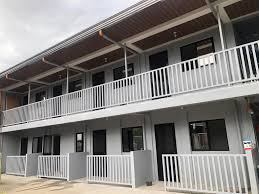
Hostels for Foreign Workers in Malaysia
Malaysia's economy depends heavily on foreign labour, which is employed in sectors like manufacturing, construction, services, and plantations. Beyond their diligence, however, is an important but frequently disregarded factor: their living circumstances. Providing high-quality lodging in the form of specialised hostels is crucial for the well-being of employees as well as the efficient operation and good name of employers.
The benefits, legal framework, difficulties, and best practices of Hostels For Foreign Workers are all covered in this extensive guide, which enables employers and other stakeholders to improve living conditions that benefit both the workforce and the company.
What Is a Hostel for Foreign Workers?
A designated residential facility created especially to house migrant workers hired by businesses or contractors is known as a foreign worker hostel. These hostels offer individual or shared accommodations with basic facilities like kitchens, common areas, beds, and restrooms.
Organised hostels adhere to rules that guarantee security, safety, and cleanliness, in contrast to unofficial or ad hoc lodging. Employers may handle them in-house or contract with experts in foreign worker hostel management. Beyond just giving people a place to live, the goal is to create a home away from home, encourage community, and allow employees to relax and recharge so they can perform better at work.
Types of Hostels
Purpose-built Hostels: Large-scale, professionally managed buildings constructed specifically for worker accommodation. Usually found near industrial zones or construction sites.
Converted Residential Buildings: Houses or apartments converted into dormitory-style living quarters.
Temporary Camps: Portable or semi-permanent structures used in remote sites like plantations or mining areas.
Each type has its pros and cons regarding cost, comfort, and flexibility, but all must meet minimum legal and ethical standards.
Why Are Hostels Crucial for Foreign Workers?
Offering a stable, safe place to sleep and rest
Ensuring hygienic facilities to prevent illnesses
Supporting mental well-being by providing social and recreational spaces
Reducing turnover and absenteeism, benefiting employers
Helping comply with Malaysia’s labor housing laws, avoiding penalties
Without proper hostels, workers may resort to overcrowded, unsafe, or unhygienic living spaces, risking outbreaks of diseases and higher attrition rates. Proper hostels are a win-win: they improve workers' quality of life while boosting business outcomes.
Health and Wellbeing Impact
According to an International Labour Organisation (ILO) report, migrant workers' poor living conditions are associated with a higher risk of skin infections, respiratory illnesses, and mental health conditions like anxiety and depression. These raise the cost of healthcare for employers and have a direct effect on productivity.
Hostels that are safe, clean, and well-ventilated significantly lower these risks, allowing employees to concentrate on their work and take fewer sick days.
The Legal Framework Governing Foreign Worker Hostels in Malaysia
Malaysia’s Workers’ Minimum Standards of Housing and Amenities Act 1990 (Act 446) sets the legal foundation for foreign worker accommodation. The law prescribes minimum standards for:
Space per worker (at least 4.5 sqm excluding common areas)
Adequate ventilation and natural lighting
Sufficient toilets and showers proportional to occupants
Proper waste disposal and pest control measures
Security features such as fencing and access control
Fire safety protocols including extinguishers and escape routes
Employers must comply or face fines up to RM 50,000 per offense, blacklisting, or operational suspension. The government has become stricter in enforcing these rules to improve the living conditions and safeguard workers’ welfare.
Recent Policy Updates and Enforcement
Malaysia's Ministry of Human Resources has stepped up its oversight and implementation of Act 446 during the last five years. Companies that don't follow the rules risk fines or having to move their employees into hostels run by the government. This shows a change from tolerance to worker protection and proactive regulation.
Additionally, changes are being made to include digital hostel registration and recurring inspections, which will increase accountability and transparency.
Benefits of Quality Foreign Worker Hostels
Healthier and More Productive Workforce: Good sanitation and hygiene reduce illness and absenteeism.
Enhanced Worker Morale and Loyalty: A respectful and safe living environment fosters loyalty and reduces turnover.
Compliance with Legal Requirements: Meeting Act 446 standards prevents penalties and legal issues.
Improved Employer Reputation: Companies enjoy stronger reputations locally and internationally.
Operational Efficiency: On-site or nearby hostels reduce commute times and transport costs.
Better Social Harmony: Well-managed hostels minimize community friction caused by noise or overcrowding.
Cost Savings in the Long Run: Healthier and more stable workers reduce recruitment and healthcare costs.
Challenges in Hostel Management
Maintaining cleanliness and sanitation consistently
Bridging language and cultural differences
Handling maintenance issues promptly
Balancing budget constraints with quality needs
Navigating evolving immigration and labor laws
Enforcing rules and discipline fairly
Cultural and Language Barriers
With workers from diverse countries — Indonesia, Bangladesh, Nepal, Myanmar, and the Philippines — language differences can hinder communication about hostel rules, hygiene practices, or emergencies. Employers should provide multilingual signage, translators, or digital tools to bridge these gaps.
Maintenance and Upkeep
Hostels require ongoing maintenance—plumbing repairs, pest control, electrical safety, and sanitation services. Budget limitations or lack of trained personnel sometimes delay repairs, affecting worker satisfaction.
Best Practices for Managing Foreign Worker Hostels
Cleanliness and Hygiene: Regular cleaning, pest control, and training on hygiene.
Security Measures: CCTV, access control, lighting, and emergency drills.
Comfortable Living Spaces: Enough space per worker, storage, ventilation, and privacy.
Nutritious Food and Drinking Water: Healthy meals and clean water, respecting dietary needs.
Healthcare Access: On-site or nearby clinics, emergency plans, and regular screenings.
Recreational and Social Facilities: Common rooms, internet, prayer rooms, sports areas, and cultural celebrations.
Communication and Feedback: Suggestion boxes, multilingual signs, regular meetings, and transparency.
Real-Life Impact: Stories from Foreign Workers
Many foreign workers express relief and gratitude when moved into proper hostels. Workers report:
“Having a clean and safe place to sleep makes a huge difference to my energy at work.”
“The hostel community helps me feel less lonely being far from family.”
“Good food and access to healthcare keep me healthy and focused.”
Future Trends in Worker Hostels
Digital platforms for attendance, maintenance requests, and communication
Eco-friendly buildings with solar power and rainwater harvesting
Biometric security and IoT monitoring for safety and efficiency
Waste recycling and environmental programs
More holistic community spaces emphasizing quality of life
Smart Hostels and Digital Transformation
Employers are increasingly adopting hostel management software that streamlines maintenance requests, attendance tracking, and fee collection via mobile apps. This reduces manual errors and improves transparency.
Green Initiatives
Sustainable infrastructure reduces operational costs and environmental impact. For example, solar-powered lighting and water recycling systems not only save money but also demonstrate corporate social responsibility.
How Employers Can Take Action
Hire professional hostel management companies to ensure expertise
Implement strict cleaning and maintenance schedules
Maintain open communication channels with residents
Document policies clearly in multiple languages
Encourage feedback and address complaints swiftly
Provide training on hygiene, safety, and community living
The Broader Social Impact
Improved hostels contribute to Malaysia’s social fabric by:
Reducing public health risks through better sanitation
Lowering neighborhood complaints and conflicts
Supporting migrant workers’ rights and dignity
Enhancing Malaysia’s international reputation for fair labor practices
A well-managed hostel is a microcosm of responsible corporate citizenship.
Conclusion
It is now essential for employers, employees, and society as a whole to provide high-quality hostels for foreign workers. Employers can cultivate happier, healthier employees who make valuable contributions to their organisations and communities by providing safe, hygienic, and encouraging living environments.
This dedication to productivity and dignity is based on hostel management, which is governed by best practices and legal requirements. Hostels for foreign workers have the potential to develop into thriving, courteous communities that support the very people who propel Malaysia's economic expansion with constant innovation and improvement.