
Cameron Highlands: Foreign Worker Accommodation in Crisis
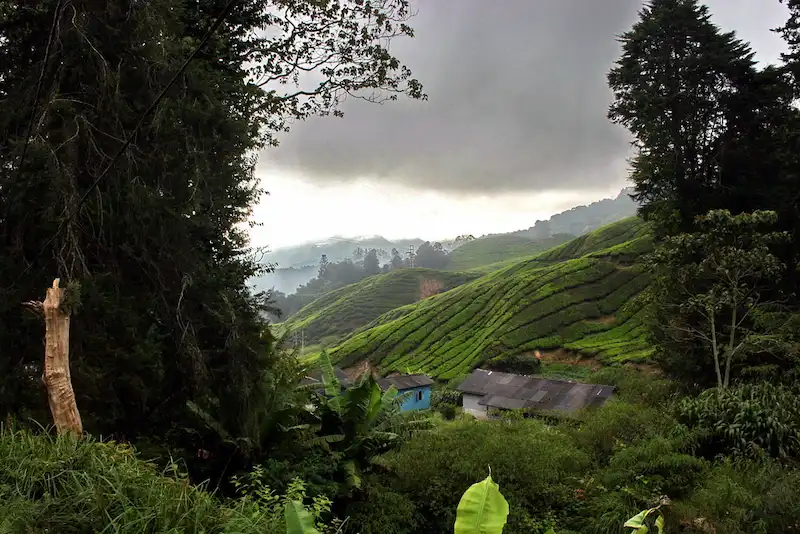
Cameron Highlands is a beautiful highland destination in Malaysia known for its cool weather, lush tea plantations, and fertile vegetable farms. But under this beautiful landscape is a serious humanitarian problem: the living conditions and legal status of Foreign Worker Accommodation in Crisis are who keep the region's agriculture going. In the last ten years, there has been a big rise in undocumented workers living in Cameron Highlands in makeshift and often dangerous housing. These settlements often break labour laws, environmental rules, and rules about keeping people safe, which makes things very hard for local governments, communities, and the workers themselves.
In 2025, big operations like Op Gempur showed how bad this problem was by finding hundreds of undocumented workers living in places that didn't meet JTK (Jabatan Tenaga Kerja) standards or without valid work permits. A lot of these workers are being taken advantage of, trafficked by dishonest agents, or tricked into working in dangerous situations. They live in places that are too crowded, dirty, and dangerous, but they are often the ones who get in trouble with the law during raids.
This article looks at the humanitarian, social, and environmental aspects of the crisis involving foreign workers in the Cameron Highlands. It looks at the root causes, government efforts to enforce the law, the standards for housing under Act 446, and how groups like WorkConnect can help make sure that migrant workers have safe, legal, and dignified places to live.
1. Cameron Highlands: Problems with farming and helping people
For a long time, Cameron Highlands has depended on foreign workers to keep its large farms and plantations running. The area grows high-value vegetables, fruits, and flowers that are sold in both local and international markets. But there are often more people who want cheap and reliable work than there are documented workers. This gap has led to the formation of informal settlements for undocumented workers, which pose both humanitarian and environmental problems.
Many undocumented workers live on the slopes of plantations and the edges of forests, where they build temporary homes out of wood, tarps, and zinc sheets. Rooms are usually too full, with a lot of workers sharing one space and not enough privacy or hygiene. People often throw trash into rivers or on land nearby, which pollutes the soil and water. Also, the settlements are very prone to dangers like fires and landslides, especially on steep slopes and unstable ground. People who live in the area have said they are worried about safety, sanitation, and overcrowding. Environmental groups have also talked about how these settlements affect fragile ecosystems. The humanitarian concern is clear: workers live in conditions that put their physical and mental health at risk if they aren't properly watched.
2. Government Enforcement: Keeping Workers and Communities Safe
The Malaysian government has stepped up enforcement actions because it knows how dangerous informal settlements for foreign workers can be. The goal of these efforts is not only to follow the law, but also to protect the health of workers, the public, and the environment. Recent operations show how big the problem is and how quickly we need to find long-term solutions.
The need to make sure that Act 446 and CLQ (Centralised Labour Quarters) standards are followed, the rising number of undocumented workers on highland farms, the public health risks of overcrowded and unsanitary housing, and the environmental damage caused by unregulated settlements are all reasons for stricter enforcement. Illegal recruitment groups also make the problem worse by taking advantage of workers.
The Immigration Department, JTK, Police, Forestry Department, and local councils usually work together on joint operations. In 2025, a big operation in Cameron Highlands checked the backgrounds of 1,886 foreign nationals and arrested 468 of them. The people who were arrested were living in shanties, abandoned farms, or informal worker colonies without the right permits. While these raids are necessary to uphold the law, they show how hard it is to protect vulnerable groups while also enforcing the law.
3. The Reasons Why Workers Are Undocumented
To solve the humanitarian crisis, it's important to know why foreign workers become undocumented. Many workers come to Malaysia legally at first, but they lose their status because of systemic exploitation, bureaucratic mistakes, or false information. Employers might not renew work permits, and workers might switch jobs without getting permission first. Some people are tricked by fake recruitment agents who take money and then disappear, leaving workers without legal papers. When an employer goes bankrupt or fires someone without arranging for their return home, some people lose their permits. In some cases, workers are victims of human trafficking or schemes that force them to work.
Workers who don't have legal status can't get formal housing, healthcare, or legal protection. Many people build temporary homes near farms or the edges of forests. These settlements offer some protection, but they also put workers at risk of things like fire, flooding, bad sanitation, and social stigma. During government raids, undocumented workers risk being detained or deported, but the underlying issues of exploitation, poverty, and lack of legal protection are not being dealt with.
4. Standards for accommodations and JTK requirements
The Malaysian government made Act 446 (Workers' Minimum Standards of Housing and Amenities Act 1990) stronger to stop the spread of informal settlements and protect workers' rights. This law sets minimum standards for housing for foreign workers, with a focus on health, safety, and respect.
It is the law for employers to make sure that these standards are met. To be proper, accommodation must include:
JTK-approved accommodation permit (APDL)
Minimum amount of space for each worker
One bed for each worker
Lockers for each person to store their things
Enough fresh air and light from outside
Fire safety gear like fire extinguishers and ways to get out
Good sewage and drainage systems
Enough toilets and bathrooms
Systems for managing waste to stop disease outbreaks
Separate places for men and women to work
Compliance not only protects workers' rights, but it also lowers the risks of lawsuits, problems with running the business, and damage to the company's reputation. But if you don't follow the rules, you could face fines, jail time, and having to close your business.
5. Common Violations Seen in Cameron Highlands
Government inspections in Cameron Highlands have found that many places do not meet the standards for housing. Many employers don't get the right JTK-approved permits, and rooms are often too full, so workers have to share beds. There may not be any fire extinguishers or exit routes, and the electrical wiring may not be safe. Sometimes there isn't enough water, and the toilets and bathrooms aren't clean or big enough. Kitchens are often built without following health and safety rules, and the landscape is filled with makeshift hostels made of wood, zinc, or plastic tarps.
These violations put workers' safety at risk and keep exploitation going. Workers face physical dangers, health risks, and being left out of society. The humanitarian meaning is clear: unsafe housing is not only a failure of the law, but also a danger to people's lives and dignity.
6. Effects on the environment and society
There are big environmental and social problems with informal settlements in the Cameron Highlands. Cutting down trees and making slopes unstable make landslides more likely, and throwing away trash in the wrong place pollutes soil and rivers. Flammable materials in densely packed housing make fires more likely. There are often social tensions between people who live and work in the area because of too many people, noise, and competition for local resources. Infrastructure and public services are put under more stress, which affects both workers and residents.
From a humanitarian point of view, these effects show why punishment alone is not enough. To keep things from getting worse, officials must also make sure that displaced workers have access to safe, regulated housing.
7. National Importance: Not Just for Cameron Highlands
Cameron Highlands has gotten a lot of media attention, but these problems are happening all over Malaysia. Johor, Selangor, Penang, Pahang, Sabah, and Sarawak are also having problems with undocumented workers and bad housing. The government is working on a national CLQ standard to stop informal settlements, protect workers' rights, and make sure the environment stays healthy. To avoid a repeat of the Cameron Highlands situation, all industries—agriculture, construction, manufacturing, and services—need to use the same method.
8. Risks for Employers
Employers who don't follow accommodation standards or hire workers without proper documentation could face serious consequences. Raids and inspections, detaining or deporting workers, fines of up to RM50,000 per worker, being banned from hiring foreign workers in the future, shutting down farms or factories, and stopping business operations are all ways that the government enforces the law. The Cameron Highlands case shows that not following the rules can lead to big legal, financial, and operational problems. From a humanitarian point of view, these risks also affect the health and safety of the workers themselves.
9. Humanitarian Solutions: CLQ and Safe Housing
Centralised Labour Quarters (CLQs) that are well-planned and controlled offer a long-term fix. Compliant CLQs keep workers healthy, lower safety risks, stop exploitation, lower social tensions, and protect the environment. They also make it easier to follow the rules of Act 446 and make inspections easier. The government and employers can deal with both the humanitarian and regulatory aspects of the crisis by making sure that workers have access to safe, legal housing.
10. How WorkConnect helps with humanitarian compliance
Companies like WorkConnect help employers find a balance between following the law and taking care of their workers. Their services include housing for foreign workers that is safe, legal, and humane. WorkConnect helps with JTK permit applications, installing fire safety systems, cleaning, monitoring facilities around the clock, providing transportation, and meal plans. Employers can protect workers' rights, follow the law, and lower operational risks while still taking a humanitarian approach to managing their workforce by working with WorkConnect.
11. Suggestions for policies that will lead to lasting change
Make sure that the rules for CLQ and accommodation permits are followed more strictly.
To stop exploitation, give undocumented workers temporary legal options.
Teach employers how to follow Act 446 and treat their tenants fairly.
Make hiring agencies more open so that people can't lie.
Make plans for getting people involved in the community to ease tensions between residents and workers.
Encourage partnerships between the public and private sectors to build safe, scalable CLQs.
These steps strike a balance between following the law and protecting people's health and safety, as well as promoting dignity and community cohesion.
Final Thoughts
The crisis in the Cameron Highlands shows how labour rights, human welfare, environmental protection, and following the law all come together. Undocumented workers and bad housing aren't just problems for the government or businesses; they're also urgent humanitarian issues that affect thousands of lives. To be sustainable, solutions must follow the law, provide safe and humane housing, hire people ethically, and treat migrant workers with compassion.
If you're an employer looking for help with finding housing solutions that are legal and ethical, platforms like WorkConnect can help make sure that workers are housed safely, legally, and with respect. You can get help and advice from WorkConnect.