
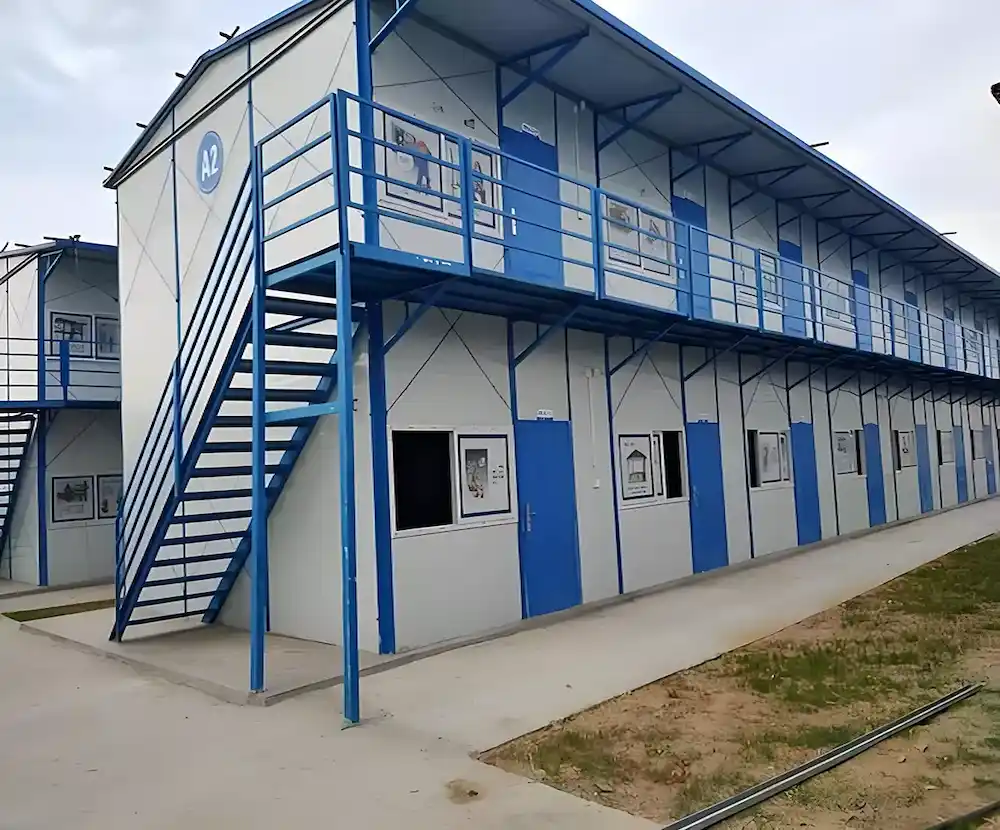
Why Is Employee Housing Important to Employers Today?
Employee housing is a strategic necessity and a legal requirement in today's competitive labour market, not just an optional benefit. Employers' living conditions have a big impact on employee retention, productivity, and satisfaction in sectors like manufacturing, construction, and agriculture that rely largely on low-wage or foreign labour. Furthermore, adherence to government housing regulations has emerged as a crucial criterion for corporate legitimacy and moral accountability.
The Employees' Minimum Standards of Housing, Accommodations and Amenities Act 1990 (Act 446), which lays out precise and binding housing standards for employers, was passed by Malaysia in response to growing concerns about worker welfare and public health. The 2020 amendment (Act A1604) greatly increased the scope of this Act's coverage to encompass additional industries and employment scenarios.
The main provisions of Act 446 are explained in detail in this article, along with the duties of employers and the practical and legal repercussions of non-compliance. Knowing these guidelines is crucial to running a legal and long-lasting company, whether you're an employer, human resources specialist, or lodging provider.
Who Must Adhere to Malaysia's Act 446? What Is It?
The original purpose of Act 446 was to regulate the standard of living for labourers, especially those employed in the agricultural and plantation industries. However, the Act's reach has grown as a result of Malaysia's changing industrial landscape and the influx of foreign workers.
Today, Act 446 applies to any employer who provides housing or accommodation to employees, regardless of industry. This comprises centralised accommodation providers (CAPs), factories, plantations, cleaning contractors, and construction firms.
Sabah and Sarawak are currently not covered by the Act, but state-level authorities may adopt or enforce comparable laws in Peninsular Malaysia and the Federal Territory of Labuan.
This law's goal is very clear as it protects workers' health, safety, and dignity by making sure their living quarters are hygienic, secure, well-equipped, and approved by the law.
What Qualifies as Compliant Employee Housing?
Section 24F of the Act stipulates that all housing and accommodations offered to employees must adhere to a set of minimum requirements. Physical space, amenities, utilities, safety, and hygiene are all included in these requirements.
Every employee must have a minimum of three square meters of personal space, complete with a fan, locker, mattress, and bed.
Each accommodation facility must have enough restrooms, sinks, and showers that are gender-segregated, and male and female employees must be housed separately.
Water used for drinking and washing needs to be safe, filtered, and authorised by the Ministry of Health.
Adequate lighting and ventilation are required along with fire safety features like extinguishers, emergency exits, and alarms.
The structure must be sturdy and free of hazards like electrical problems or clogged drains.
Waste management and routine facility cleaning are essential.
Employers must maintain structural integrity, prevent unauthorised alterations, and avoid overcrowding.
For workplaces with more than 100 employees, a community hall and recreational facilities must be provided.
Is a Certificate Required for Centralized Employee Accommodations?
Many companies decide to house a lot of employees in centralised housing, which can be run internally or by outside providers. The same requirements set forth in Act 446 must be met by these facilities. The main points are as follows:
Centralised housing must meet the same standards for utilities, safety, hygiene, and space as employer-provided housing.
Before accommodations can be used, the Director General of Labour must certify them with a Certificate for Accommodation (Section 24D).
Applicants must provide a management plan, building plans, and safety documentation for certification.
Failure to obtain certification may result in a fine of up to RM50,000 or one year imprisonment.
Employers must notify the Labour Department within 30 days of employee move-in.
Both employers and external providers are legally accountable.
Authorities may inspect and shut down non-compliant or uncertified facilities.
What Are Malaysian Employers' Legal Obligations Regarding Employee Housing?
Act 446 imposes several legal responsibilities on employers beyond simply providing a roof over employees' heads. These include:
Designating an individual to oversee discipline, health, and hygiene in the accommodation.
Conducting bi-monthly property inspections and keeping thorough records of complaints and findings.
Covering the cost of medical care and ensuring prompt treatment for ill workers.
Establishing quarantine areas and providing sanitation kits during disease outbreaks, following Ministry of Health guidelines.
Building and maintaining nurseries if employee children exceed minimum numbers, with milk, play areas, and caregiving assistance.
Charging reasonable rental fees; any salary deduction for housing must be approved and documented.
Noncompliance can lead to heavy fines, loss of business licenses, or criminal charges.
How Is Employee Housing Regulated and Enforced Under Act 446?
The Malaysian government has put in place a thorough, multi-agency regulatory framework to guarantee the efficient implementation of Act 446. The Ministry of Health and district engineering departments collaborate with the Department of Labour (Jabatan Tenaga Kerja Semenanjung Malaysia, or JTKSM) to enforce compliance. Employee housing facilities may be inspected on-site by authorised officers without prior notice, such as the Director General of Labour, Health Officers, and District Engineers. Verifying occupancy limits, gender-segregated rooms, fire safety equipment, water supply, sanitary facilities, and structural safety are just a few of the many compliance-related topics that may be covered during these inspections. Building permits, layout plans, accommodation certificates, medical records, and appointment documents of responsible parties may also be examined by officers. Officers can conduct in-person interviews with staff members to obtain precise, first-hand knowledge of their living conditions in addition to document checks. If infractions are found, the employer is given a set amount of time to address the problems after receiving a formal rectification notice. Administrative fines, enforcement measures like building demolition or sealing, or even criminal prosecution may follow noncompliance. Here’s a summary of frequently observed violations under Act 446 and the respective legal consequences:
 official platform. Employers can:
Apply for Certificates for Accommodation
Access self-assessment tools and checklists
Report unsafe or illegal housing
Get guidance on inspections and updates
To effectively meet these requirements, employers are urged to work with compliance consultants, legal counsel, or certified centralised accommodation providers. Rather than viewing housing obligations as a burden, employers should recognize them as a critical part of responsible and sustainable business operations.
Final Thoughts: Take the Next Step Toward Compliance
Complying with Act 446 is not just about avoiding fines—it's about creating a healthy, stable, and secure working environment that benefits both employers and employees. Whether you're upgrading your existing facilities or planning a new accommodation project, it pays to get it right from the start.
If you need expert guidance or ready-built solutions that meet all the legal requirements, visit WorkConnect—your trusted partner for compliant and efficient worker housing in Malaysia.